

The Fifth Pillar: Why Studio Time is Radical Self-Care
Why stepping away from your to-do list isn’t avoidance—it’s scientifically proven medicine for the creative mind.


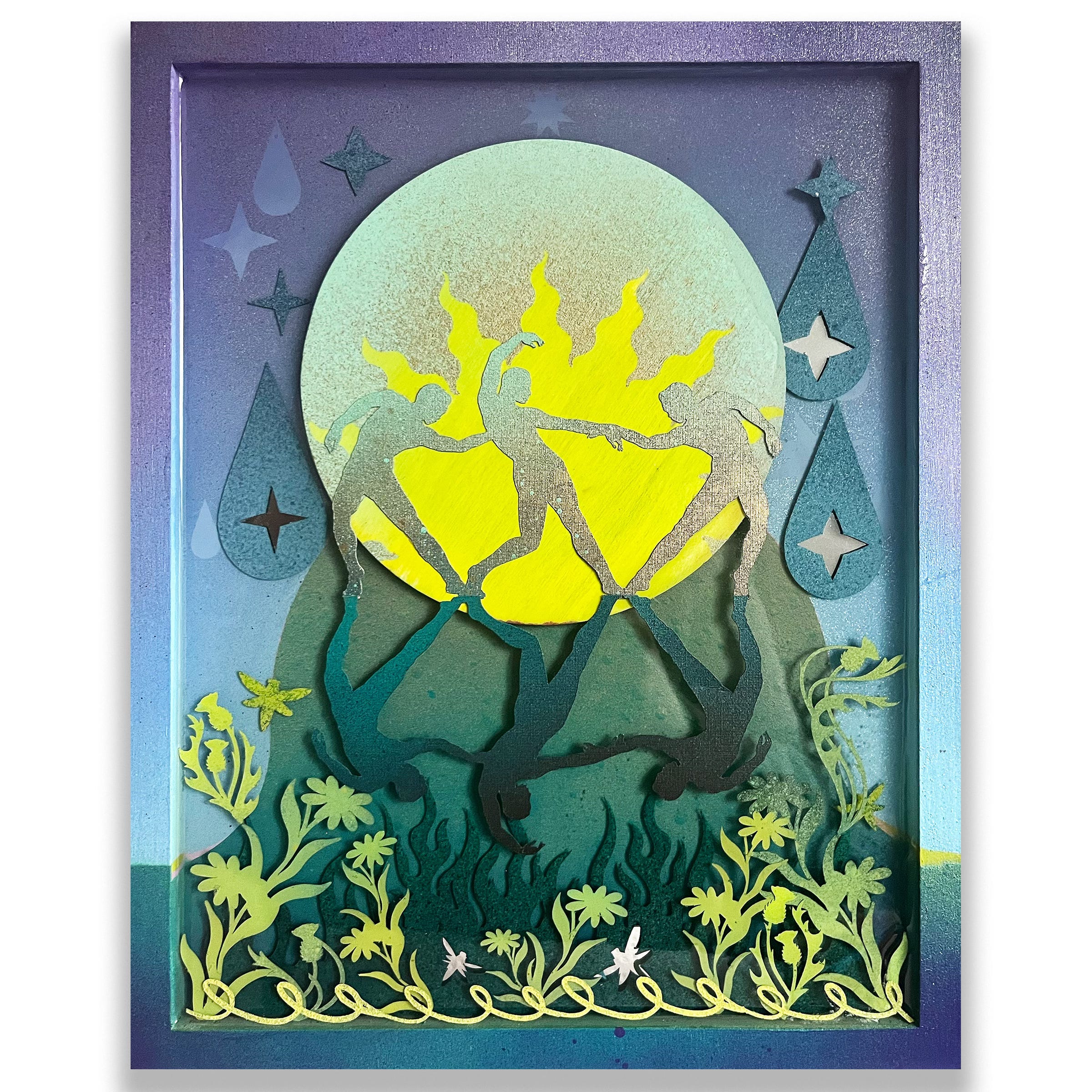
Over the years, I’ve researched and written about almost every facet of the art world, from studio practices and curation to visibility and sales. Yet, nothing quite compares to the quiet mysteries and distinct pleasures of simply making the art itself.
Of course, there is absolutely nothing wrong with ambition. Growing your business and aiming for the recognition you deserve is part of the journey. But lately, science has been catching up to what we’ve felt all along. Recent research has cast a brilliant spotlight on the profound health and wellness benefits of creative engagement, from painting to dance, music, and beyond.
For me, this feels incredibly validating, not just for my own practice, but for our entire creative community. It is a gentle reassurance that when life throws curveballs and running a business feels challenging, retreating to the studio isn’t an act of avoidance or irresponsibility. It is essential self-care.
As someone deeply interested in mental health—I nearly pursued a graduate degree in Art Therapy at Drexel before ultimately choosing a path in painting—I remain utterly fascinated by how the wellness field intersects with visual art. After all, as creatives, we already know how calming and emotionally regulating a studio practice can be. Even as a kid, I would doodle in class or color whenever I felt anxious. Back then, I wasn’t looking for a scientific explanation for why I felt better; I just naturally pursued making things in times of distress.
Today, we finally have the data. We have definitive proof that what we do as artists is genuinely good for us, not just mentally, but physically too.
A few years ago, despite achieving major career milestones like successful exhibitions and steady sales, I felt a subtle shift. Something was off. Even though making art for any reason is beneficial, I found myself craving more time painting, sculpting, and practicing the piano with absolutely no outcome in mind. I wanted those quiet, meditative moments in between professional projects, completely detached from checking a box, making a sale, or adding another line to my CV.
It turns out my intuition was leading me exactly where I needed to go. Over the last few months, that craving for unstructured studio time was beautifully validated by a series of synchronicities, podcast guests, and new book titles.
The first spark came from a book I picked up at Barnes & Noble a couple of years ago: Your Brain on Art: How the Arts Transform Us by Susan Magsamen and Ivy Ross. It explores the actual neurological activity that occurs when we interact with visual art and music. It is an absolute must-read (or a fantastic audiobook listen if you prefer).
More recently, two incredible guests on the Create! Podcast exemplified what we as artists hold true deep down: art is a powerful tool for healing, self-care, and even manifestation.
Artist and educator Anna Denning shared her “AM Method,” a practice she co-created in her book The Art of Manifesting: A Meditative Drawing Practice to Rewire Your Brain and Create Your Reality. With the AM Method, manifestation becomes as joyful and effortless as drawing free-form circles and flowing lines. All you need is a pen, paper, and your imagination.
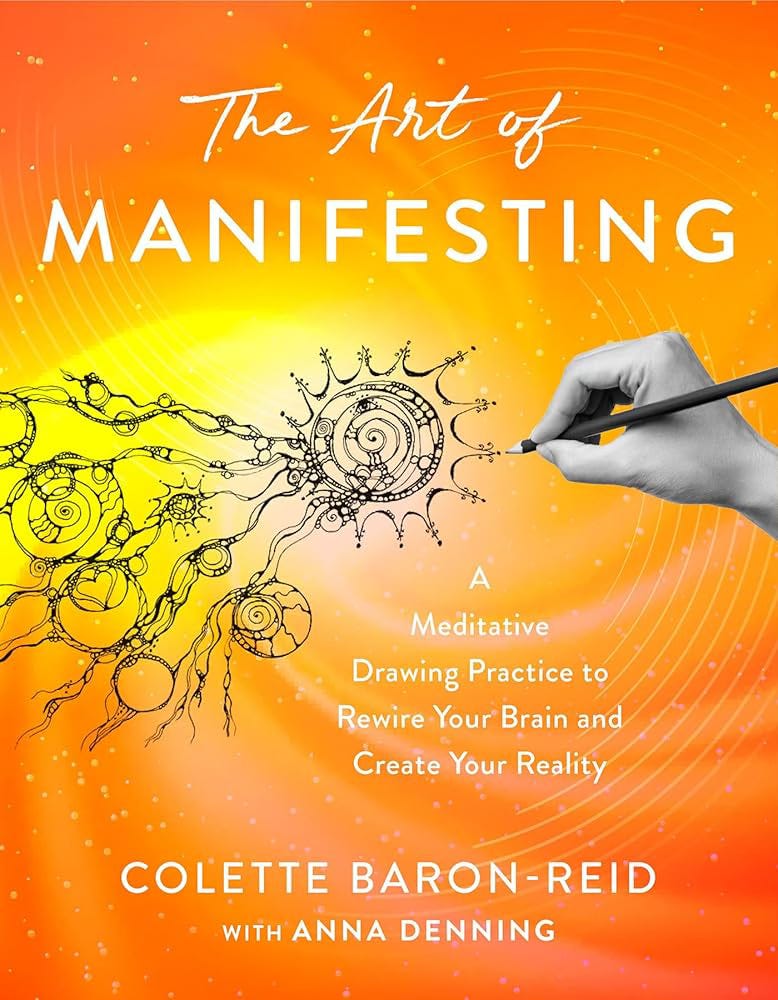
While the concept of manifestation can sometimes feel abstract, Anna grounds it beautifully in neuroscience:
“When you draw with intention, you engage your frontal lobe and switch on the Reticular Activating System (RAS) in your brain.”
The RAS acts as a sophisticated filter for your mind. Once activated by your creative intentions, it begins scanning your everyday environment for opportunities that align with your desires. Anna calls this Intentional Synchronicity—the magic of making art about your desires and watching happy coincidences appear in your life.
Then there is the groundbreaking work of Professor Daisy Fancourt, who recently published her book Art Cure. We are all well-acquainted with the traditional pillars of health: nutrition, exercise, sleep, and stress management. But Fancourt’s extensive research suggests it is time to officially recognize a Fifth Pillar: Creative Engagement.
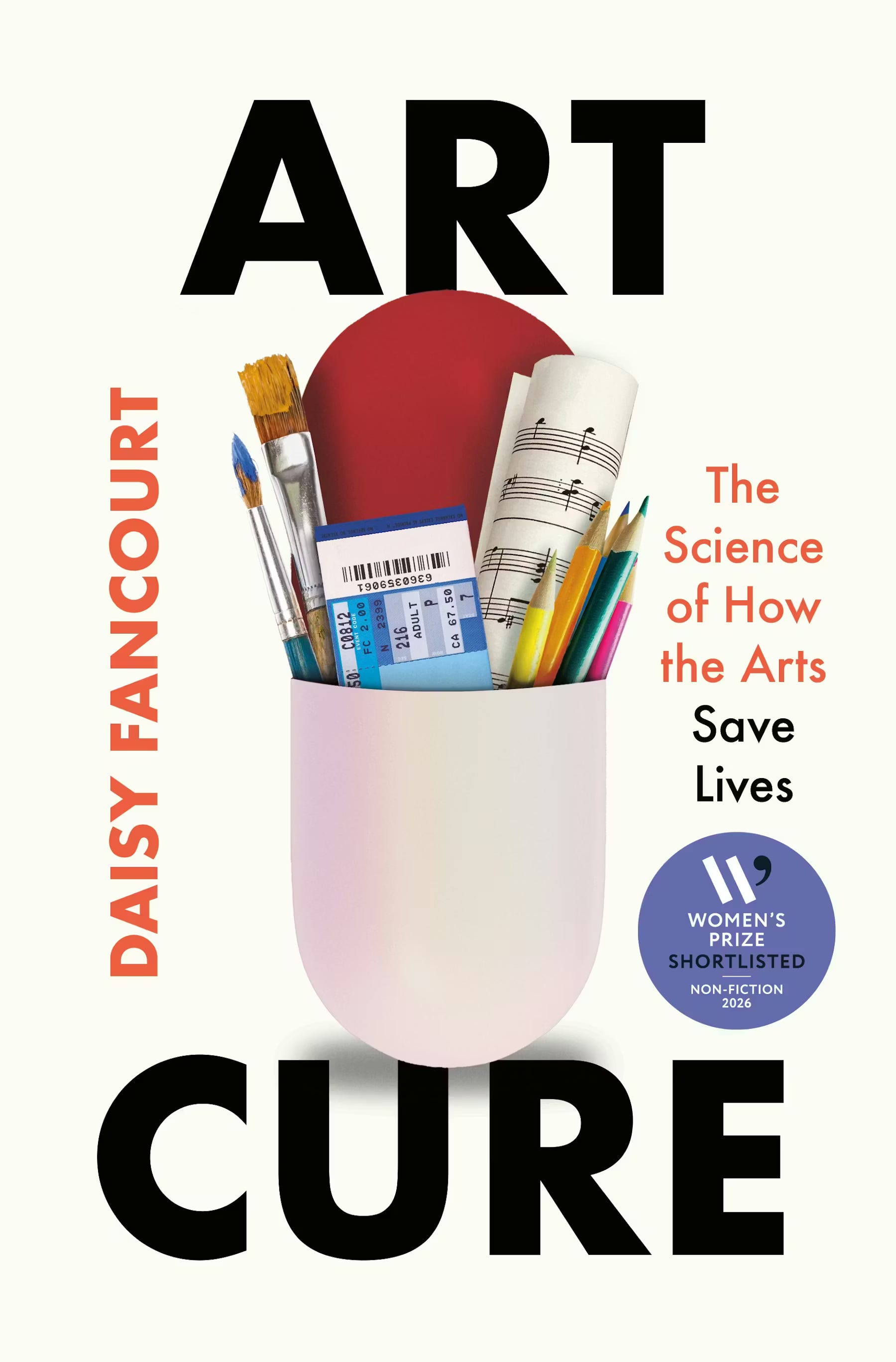
Through Art Cure, she presents decades of evidence proving that engaging with art creates measurable, long-term health benefits. It isn’t just a fleeting mood booster; it drives real biological change.
Admittedly, making art professionally isn’t always stress-free. Looming deadlines, financial pressures, and general overwhelm are real challenges we face as working creatives. Because of that, I have been intentionally rediscovering the simple joy of making things just for me. Engaging in intuitive painting, casual photography, or creative writing without a specific outcome in mind has become the ultimate remedy for my busy entrepreneurial mind.
So, the next time you feel a pang of guilt for setting aside your never-ending to-do list to step into the studio, remember this: you are not avoiding responsibility. You are taking care of yourself first, and that choice is the foundation for a better quality of life.
Somehow, as if by magic, the most creative solutions to life’s problems come to us when we step away and do something we love. It’s a beautiful bonus that science now proves it’s exactly what our bodies and minds need.
Sources & Further Reading
Magsamen, S., & Ross, I. (2023). Your Brain on Art: How the Arts Transform Us. Random House.
Baron-Reid, C., & Denning, A. (2024). The Art of Manifesting: A Meditative Drawing Practice to Rewire Your Brain and Create Your Reality. Hay House.
Fancourt, D. (2025). Art Cure: The Science of How the Arts Save Lives
 | A guest post by
|
Saving this for all the juicy resources, thank you. I have read ‘Your Brain on Art’ but not the others.
It’s crazy how much time professional artists spend on not making art. The ones I’ve talked to spend maybe 30% of their time painting, and that’s so far away from the dream we all imagined. It’s strange how it keeps feeling like making art is not as urgent as sending emails. And then before you know it, you haven’t painted in 2 weeks.