

A Deep Dive Into Working With Quality Galleries
Real insight from three working gallerists on what gets artists signed, and how to build a partnership that actually lasts

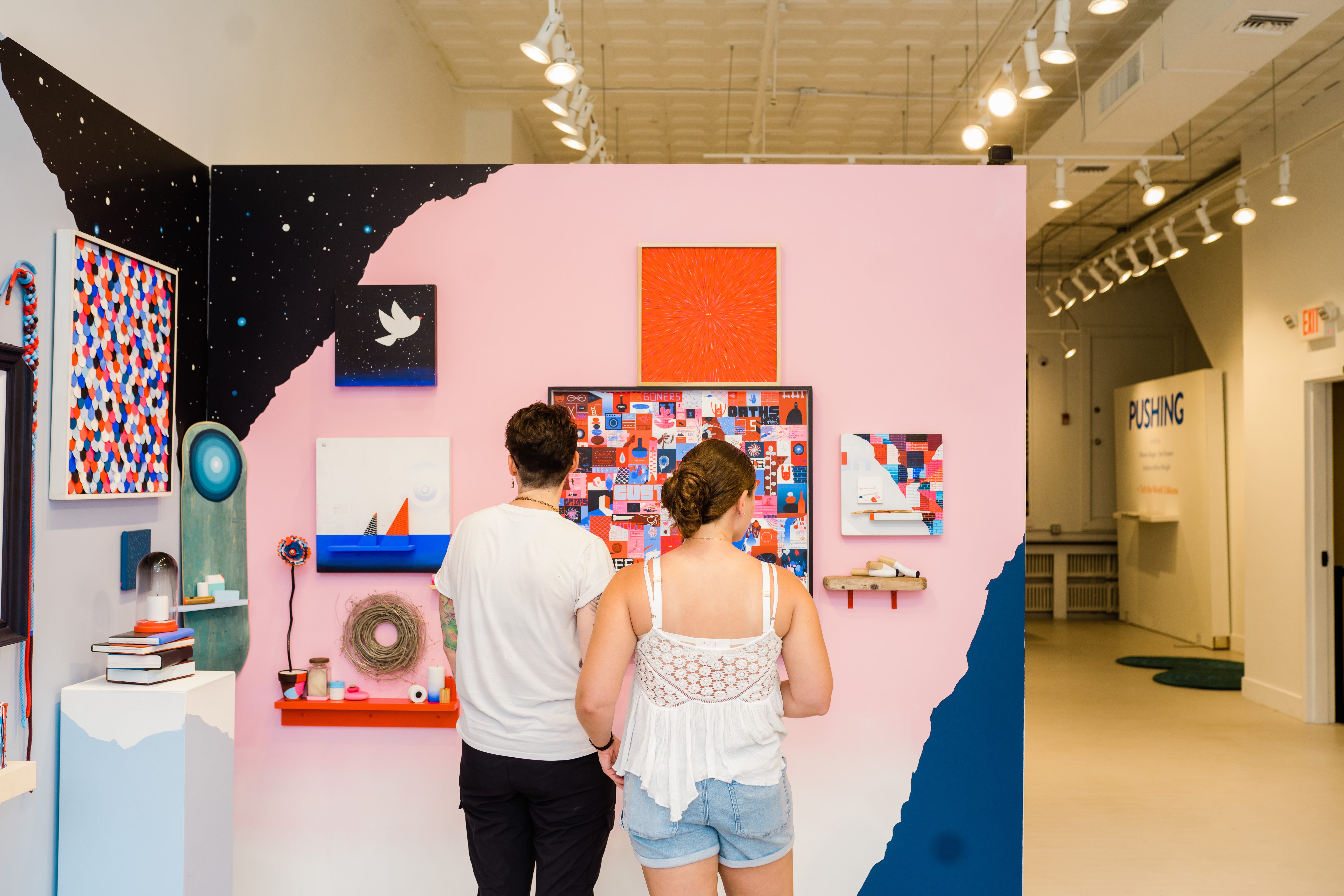
Getting into a gallery is one thing; growing with a gallery as your career evolves is another. Today, we’re tackling both, distilling years of experience, research, and candid insights from our curator and gallerist community.
I delved into Create! Collective’s exclusive gallerist sessions and pulled the most useful, specific, and sometimes surprising advice from three working gallerists: Liz Lidgett of Lidgett Gallery (Des Moines), Alicia Puig of PxP Contemporary, and Sarah McCorriston, co-founder of Paradigm Gallery (Philadelphia).
I also drew from Christina Nafziger’s expert roundup in our Career in Focus column (with Britton Bertran, Amy Donaldson, and curator Gita Joshi), plus my own reflections from a recent Create! Podcast episode on what separates a great gallery partner from a not-so-great one.
Personally, I don’t believe a gallery should be your only goal. Even established artists often partner with multiple organizations. A gallery isn’t a magic bullet—it’s a collaborator and a stepping stone. Working with a gallery is a business relationship, and it deserves the same scrutiny on day one as it does on day five hundred. In this article, I’m sharing community-sourced insights to help you if your goal is to land a gallery.
Who You’re Hearing From
Liz Lidgett spent years as a private art advisor, buying for corporate collections and private clients, before she got frustrated watching how galleries treated the artists she bought from. So she opened her own space in Des Moines instead.
Five years in, she represents over sixty artists, keeps at least half her roster women, and posts herself packing boxes and hanging shows on Instagram often enough that her clients feel like they know her. She’s the one in this post who tells you flatly when something is a red flag, because she’s watched her own artists get burned by it elsewhere.
Alicia Puig runs PxP Contemporary. She and I went to art school together, which means she’s pitched galleries herself and now works with artists globally, giving her a real understanding of both sides of the desk.
She only opens submissions twice a year, on purpose, because the volume would overwhelm her otherwise. She knows exactly what a strong pitch looks like: she’s sent them herself as an artist, and opened thousands of them as a curator.
Sarah McCorriston co-founded Paradigm Gallery in Philadelphia fourteen years ago with her partner Jason Chen. They started in a tiny storefront meant to be a shared studio. Today, they run a five-story building in Old City.
Sarah is clear-eyed about how art actually sells: who Paradigm chooses to work with and why a real sale is usually a slow process rather than a single loud, busy opening night.
Here, you’ll find the most actionable tips and perspectives from three gallery owners to support you on your journey.
What Gallerists Actually Look For
Every gallerist I spoke with agreed on the essentials first.
